Tatsuya Nakadai (仲代 達矢, Nakadai Tatsuya; born Motohisa Nakadai; December 13, 1932 – November 8, 2025) was a Japanese actor. Widely regarded as one of the greatest actors in the history of Japanese cinema, he collaborated extensively with many of Japan's best-known and acclaimed directors. In his over seven decade career, he appeared in more than 160 films, and received numerous accolades. He was honored with a Medal with Purple Ribbon in 1996 and Japan's Order of Culture in 2015.
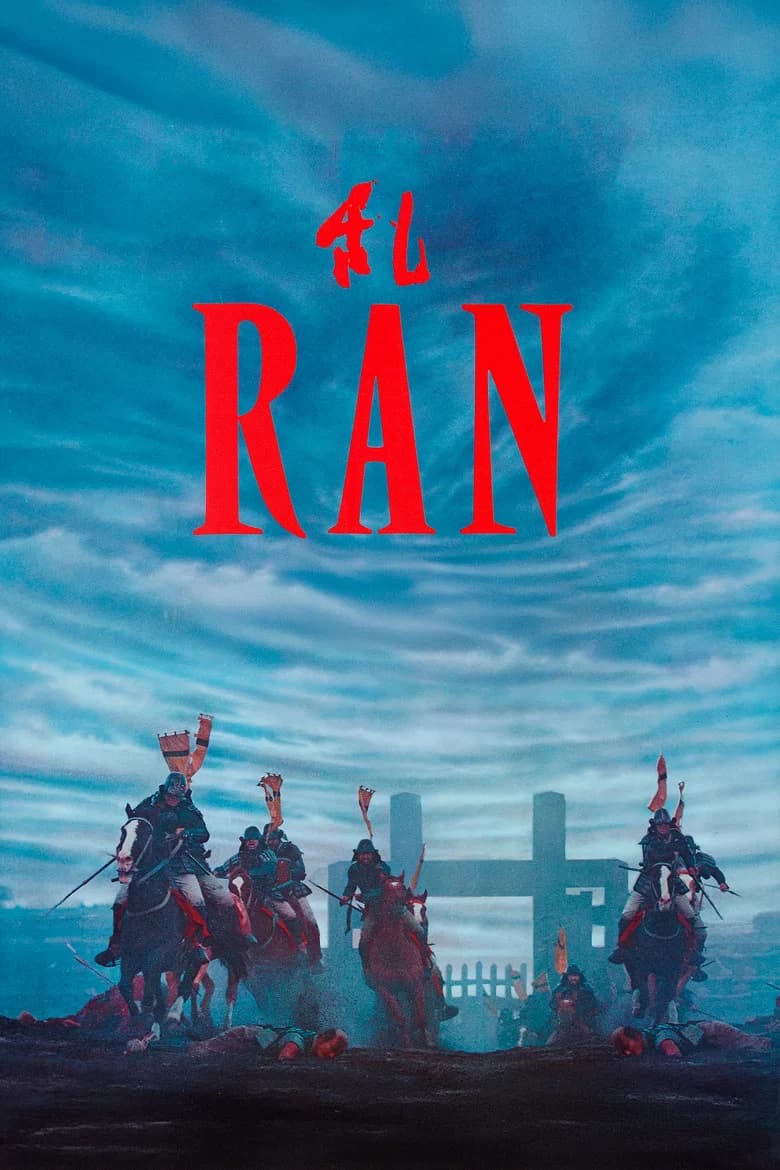
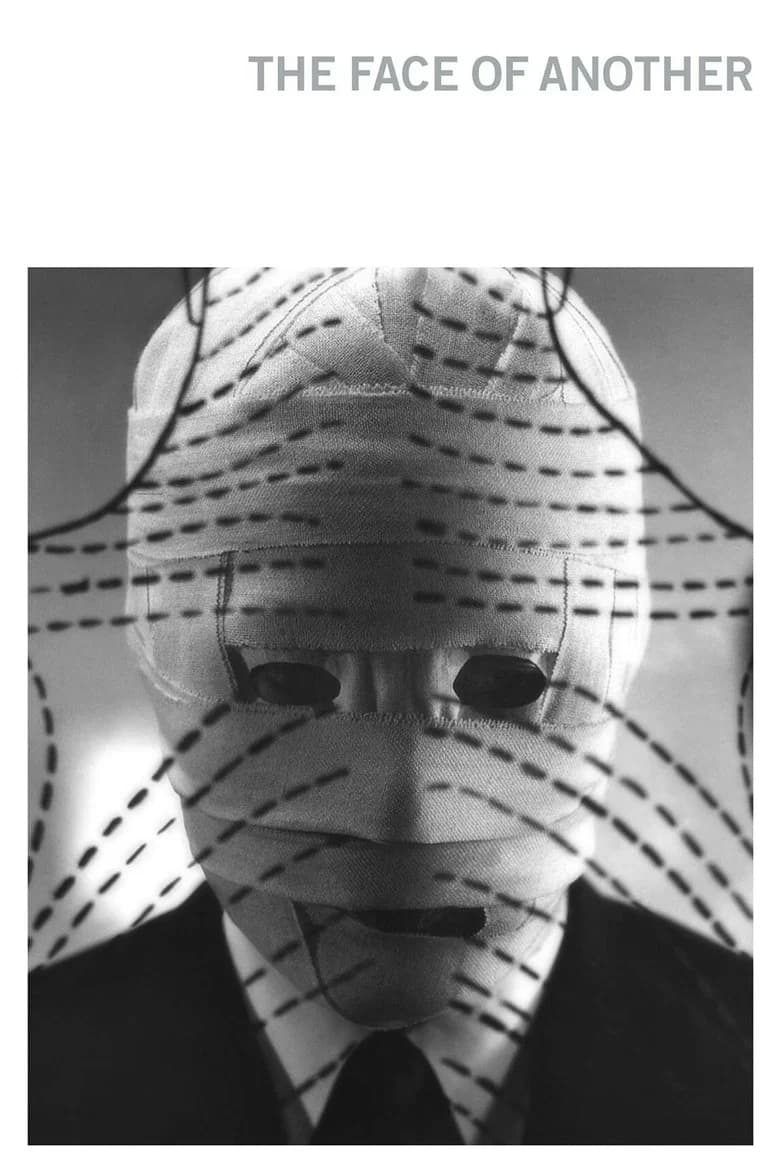
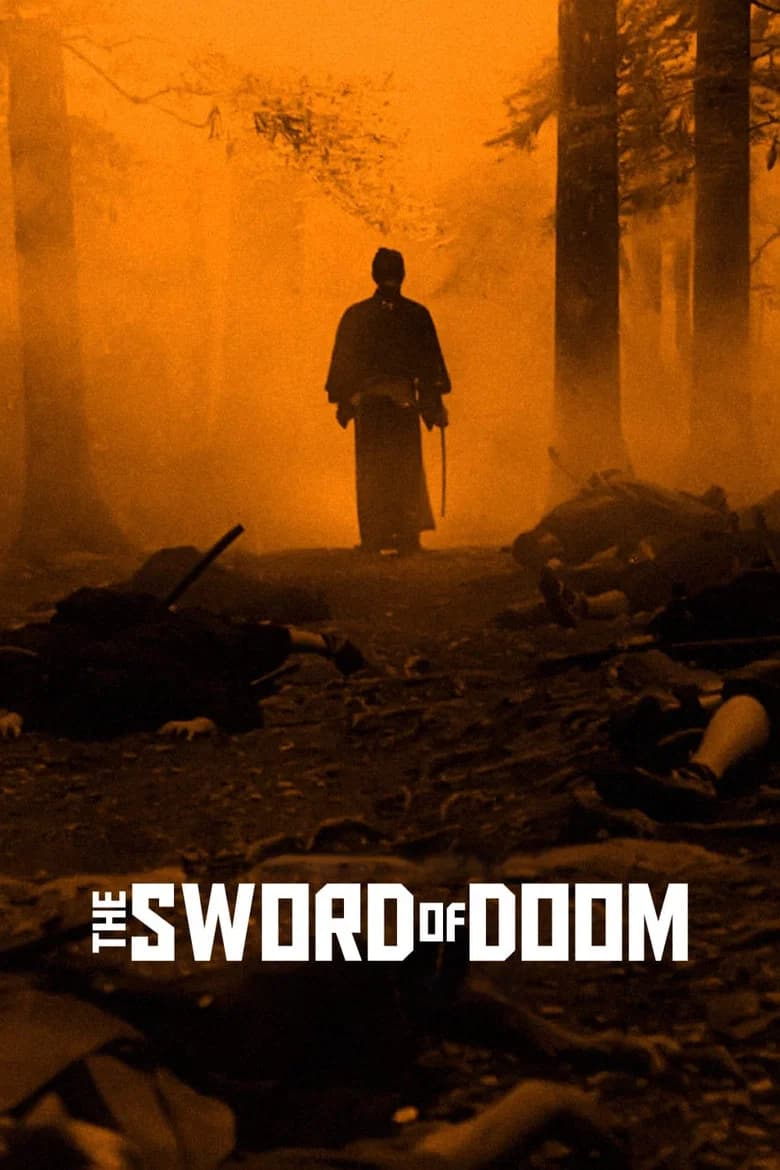
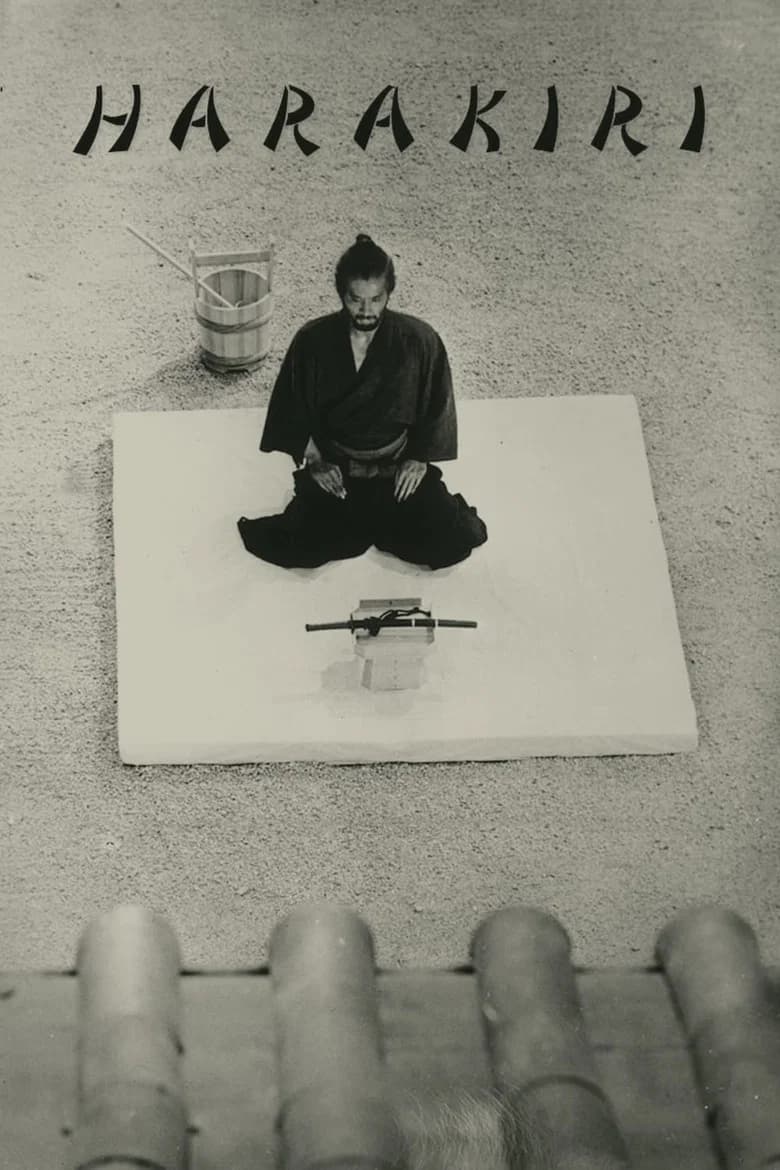
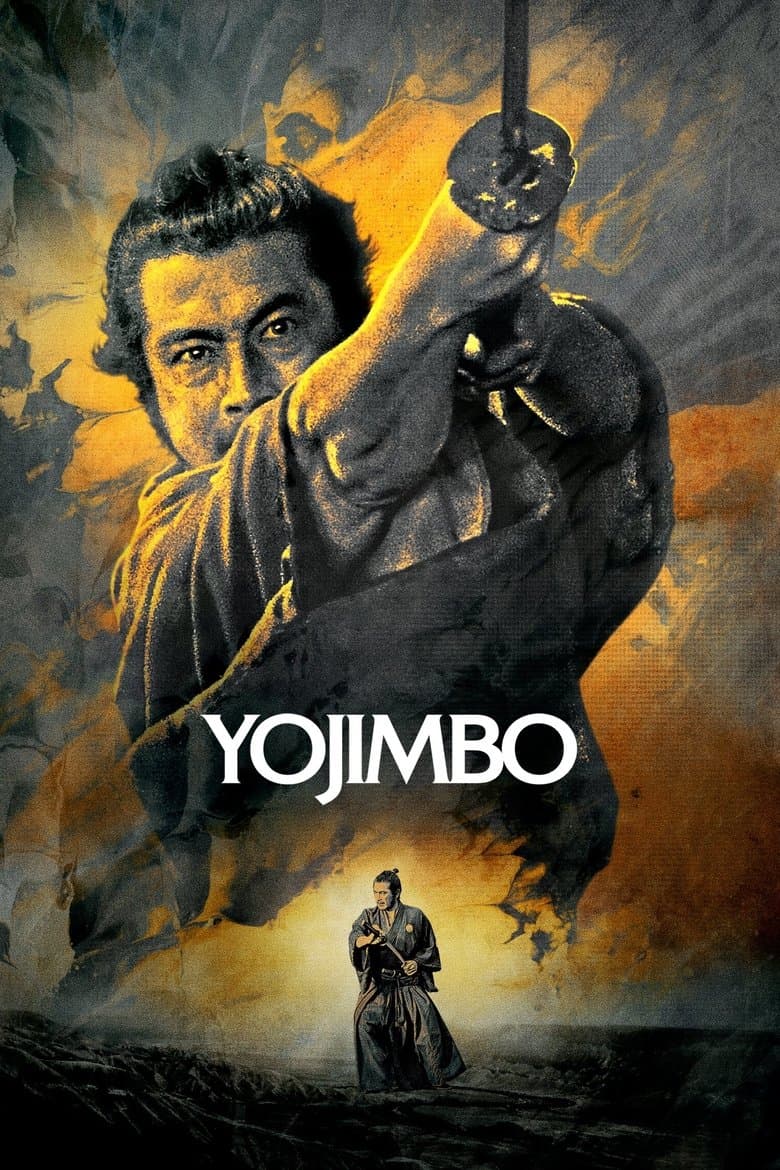
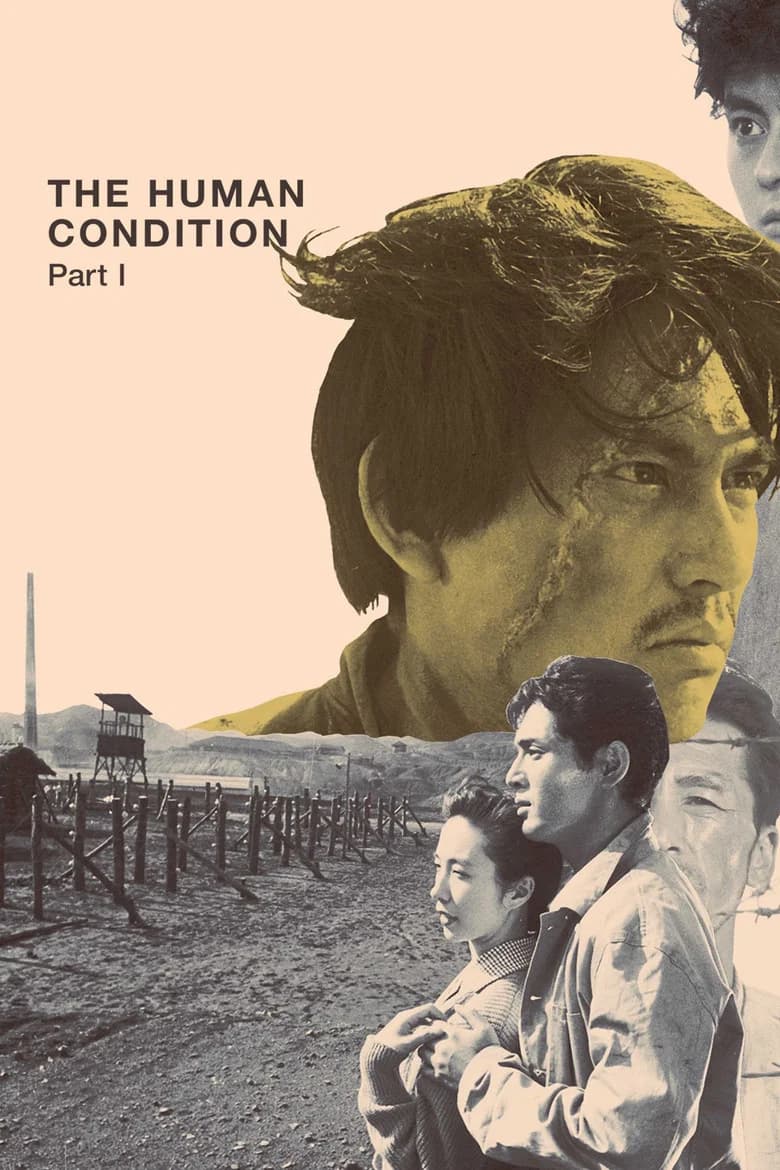
Nakadai rose to prominence starring in Masaki Kobayashi's films, with his breakthrough being the protagonist of the epic anti-war trilogy The Human Condition (1959–1961). He won the Blue Ribbon Award for Best Actor for his performance as the vengeful ronin in Harakiri (1962), a role he considered his finest. Nakadai collaborated on eleven films with Kobayashi—including Kwaidan (1964) and Samurai Rebellion (1967)—and five with Akira Kurosawa, most notably as the tragic warlord in Ran (1985), a performance that earned global acclaim. His other notable credits included Seven Samurai (1954), Yojimbo (1961), The Sword of Doom (1966), The Face of Another (1966), Goyokin (1969), Kagemusha (1980), and The Tale of the Princess Kaguya (2013).
A lifelong stage actor, he founded the Gendai Nohgaku-kai troupe in 1975 and continued performing on stage into his nineties.
Description above from the Wikipedia article Tatsuya Nakadai, licensed under CC-BY-SA, full list of contributors on Wikipedia.